The contemporary commercial landscape relies heavily on concentrated financial centers. Multi-city executive rotations span diverse domestic and international commercial hubs. Because of this structural interdependence, the procurement of advanced hosting accommodations has evolved. When enterprises approach corporate hosting asset procurement through a legacy lens, they encounter severe fiscal leakage. Consequently, unmanaged municipal destination fees degrade departmental profitability. In today’s dynamic macroeconomic climate, mastering the best corporate hotels for corporate hosting directly influences overall enterprise resilience.
Transforming Institutional Hosting Workflows
Achieving structural mastery in institutional hosting governance requires a deliberate pivot. Organizations must move from reactive spot-rate booking toward a proactive, systemic framework. Travel directors and executive event procurement teams must view urban commercial inventory contracts and private dining buyouts as vital operational nodes. Furthermore, this approach involves balancing regional transit hub proximity, shifting municipal tax structures, and contract-level dynamic rate caps. By harmonizing these elements, organizations construct programs that act as strategic shields against financial erosion, protecting institutional capital across every deployed gathering.
This article delivers a rigorous examination of institutional lodging strategies. It focuses specifically on how enterprises design, implement, and evaluate methodologies required to manage the best corporate hotels for corporate hosting across commercial corridors. Moreover, we bypass superficial tropes to explore master-agreement fee exemptions and symmetrical fiber bandwidth verification. Furthermore, we examine practical methods to eliminate inefficiencies through proactive policy design. Therefore, our objective is to establish a definitive reference point for long-term organizational success.
Understanding best corporate hotels for corporate hosting
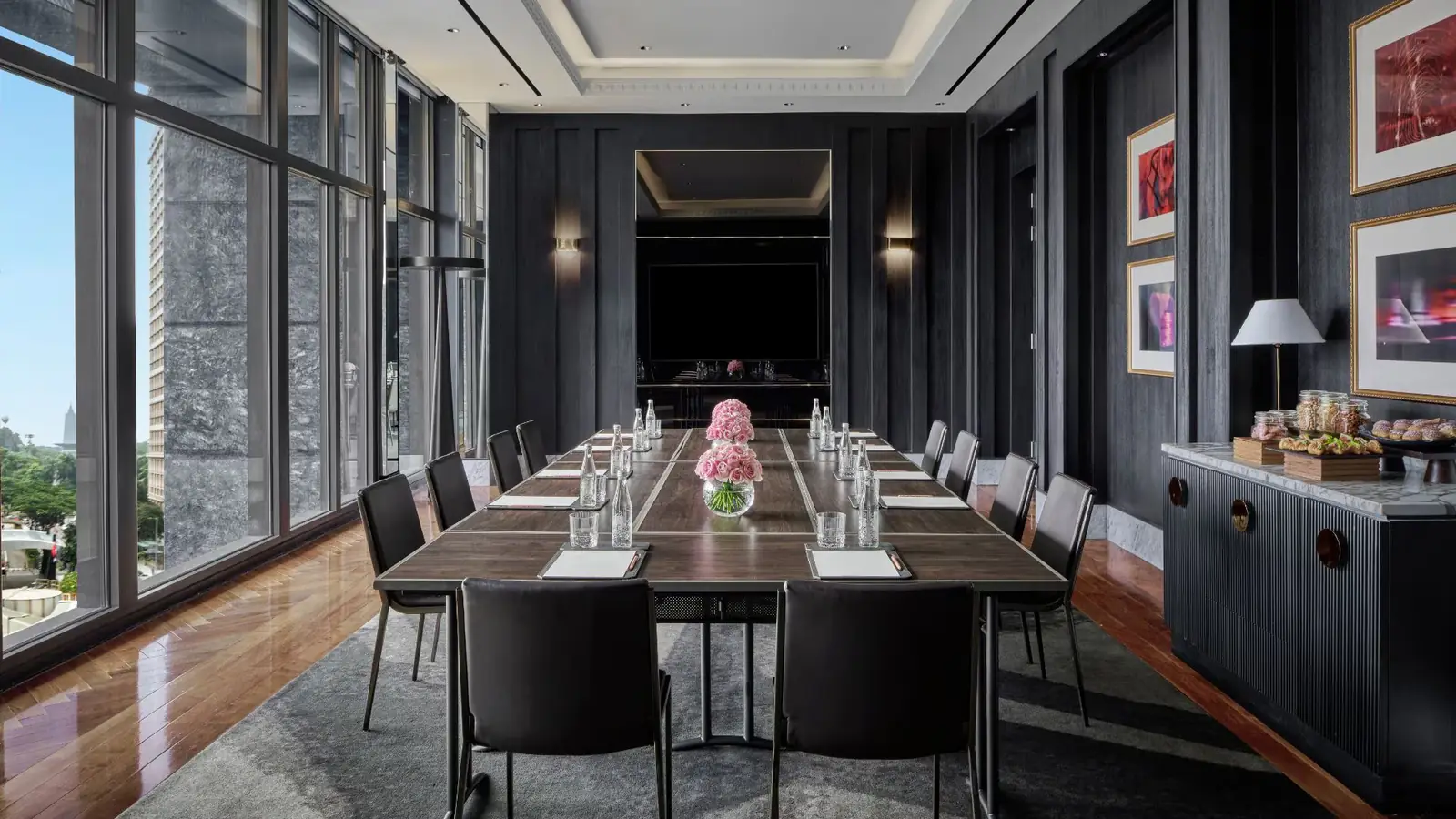
When evaluating what it truly means to master the best corporate hotels for corporate hosting, analysts must immediately dispel a common myth. Specifically, no single standardized contract clause fits every enterprise event across commercial markets. For example, a global financial institution in Lower Manhattan operates under entirely different constraints than a technology enterprise in Austin. Moreover, a pervasive misunderstanding is the headline-amenity fallacy. Many assume that securing a property with luxury lobby architecture fulfills enterprise event governance requirements. In reality, learning to evaluate the best corporate hotels for corporate hosting depends heavily on analyzing master-bill incentives and automating incidental fee waivers.
Furthermore, analyzing how organizations assess the best corporate hotels for corporate hosting requires looking past headline room rates. Organizations frequently adopt open-loop travel programs without verifying whether underlying properties align with employee transit corridors. However, they often experience severe institutional leakage when decentralized booking strategies prevent volume aggregation. Evaluating the best corporate hotels for corporate hosting demands an audit of silent performance metrics. These metrics include corporate billing integration capabilities, complimentary boardroom thresholds, and mandatory destination fee exemptions. Therefore, leadership examines the best corporate hotels for corporate hosting through a holistic lens to build an adaptive financial framework.
Metropolitan Channel Dispersion
Enterprise event planners frequently scatter their bookings across multiple commercial hospitality brands based on immediate aesthetic preference. Consequently, organizations focusing on the best corporate hotels for corporate hosting must prioritize centralizing volume through structured corporate contracts. Furthermore, understanding the best corporate hotels for corporate hosting involves recognizing that unmanaged channel dispersion frequently results in forfeited enterprise savings and severe audit exposure.
Structural Oversimplifications and Risk Factors
A critical error in financial planning is treating corporate hosting venue selection as an isolated administrative choice rather than a core component of travel strategy. When finance teams evaluate metropolitan hosting properties, they must measure the true opportunity cost of unvetted spot-rate bookings. Therefore, mastering strategies addressing the best corporate hotels for corporate hosting requires continuous vendor accountability auditing.
Deep Contextual Background: The Evolution of Institutional Hospitality Hosting
The governance of corporate travel reservations has transitioned through distinct developmental phases over past decades. In the mid-20th century, commercial hosting arrangements relied almost exclusively on standard downtown convention agreements. Later, the advent of centralized global distribution systems catalyzed a profound shift, introducing rigorous computerized inventory management. Today, the landscape is defined by the Integrated Ecosystem Era. In this era, when professionals study the best corporate hotels for corporate hosting, they observe a convergence of dynamic pricing algorithms and API-driven enterprise accounting connections. Consequently, static consumer hotel models have transformed into complex B2B inventory architectures.
Historical Shifts in Corporate Hospitality Patronage
Early commercial travel programs treated city-center hosting accommodation as a secondary administrative task. However, contemporary economic pressures and sophisticated procurement analytics have prompted organizations to reclaim ownership of business-generated booking value. As a result, finance teams now forge structured corporate reservation agreements that capture organizational rebates and automated rate caps without sacrificing traveler productivity.
Modern Digital Oversight
Today, leading enterprises utilize advanced corporate travel management platforms and automated folio auditing tools to scrutinize commercial hospitality billing. Coupled with municipal mandates requiring transparent disclosure of urban destination fees, automated systems detect unauthorized ancillary charges in real time. Furthermore, this digital oversight removes administrative friction, ensuring complete fiscal compliance across diverse travel portfolios.
Conceptual Frameworks and Mental Models
-
The Total-Cost-of-Corporate-Hosting Economic Model: Measures the financial impact of a metropolitan event, factoring in tariffs, dining minimums, and taxes against alternative facilities. Limit: Does not directly quantify intangible gains in executive trust.
-
The Last-Room-Availability Protection Index: Evaluates the contractual guarantee that corporate travelers can secure preferred rates during high-compression mid-week periods. Limit: Requires high annual volume commitments.
-
The Friction-Compliance Equilibrium: A structural framework mapping the correlation between overly complex booking caps and employee workaround behaviors. Limit: Demands continuous behavioral monitoring to calibrate thresholds against inflation.
-
The Protocol-to-Space Ratio: Assesses the spatial adequacy of hosting environments by measuring private arrival pathways and sound isolation index ratings. Limit: Less applicable for large-scale open exhibition trade shows.
Key Categories of Corporate Hosting Assets
| Hosting Asset Category | Primary Geographic Hubs | Core Operational Strengths | Primary Trade-Offs & Limitations |
| Metropolitan Flagship Towers | New York City, Chicago, San Francisco | Global accessibility, studio-grade AV integration, immediate walk-to-office proximity | Extreme nightly hotel rates, strict mid-week compression pricing, high municipal surcharges |
| Integrated Convention Resorts | Las Vegas, Orlando, Anaheim | Massive square footage, thousands of on-site rooms, comprehensive trade show infrastructure | High public-space friction, casino floor noise, impersonal service delivery for high-touch dinners |
| Historic Executive Clubs & Estates | Colorado Springs, White Sulphur Springs, Boston | Ultimate privacy, historic governance atmosphere, extensive outdoor team-building acreage | Distance from major international hub airports, limited room counts for large groups |
| Boutique Design & Lifestyle Hotels | Austin, Nashville, Miami Brickell, Seattle | High aesthetic appeal for creative tech leadership, vibrant evening dining districts | Smaller meeting footprints, inconsistent Level 3 folio data, louder nightlife spillover |
| Transit-Connected Central Hub Hotels | Chicago Union Station, Newark Penn, Denver Union Station | Zero ground-transfer weather exposure, direct intercity rail/flight connectivity | Higher transient turnover noise, utilitarian surrounding commercial zones |
| Federal Policy & Diplomatic Hotels | Washington D.C., Arlington, Sacramento | Proximity to regulatory bodies, high-security perimeter protocols, secure encrypted networks | Rigid federal per-diem caps, heavy lobbying traffic, strict ballroom curfews |
| Sunbelt Corporate Expansion Hotels | Dallas, Atlanta, Houston, Charlotte | Rapidly expanding corporate headquarters, robust highway logistics, expansive ballrooms | Urban sprawl requiring extensive car rental or transit planning, high seasonal heat |
Organizations must map their operational footprints against these categories. For instance, firms seeking mastery over the best corporate hotels for corporate hosting often blend metropolitan flagship towers with historic executive clubs for leadership retreats.
Decision Logic for Hosting Asset Selection
When evaluating corporate hosting procurement, planners must weigh event objective and security against group scale. If an enterprise deploys an executive board requiring absolute confidentiality, decision logic dictates selecting historic executive clubs. Conversely, regional sales assemblies exceeding two hundred attendees achieve superior logistical flow at integrated convention resorts equipped with high-capacity freight elevators.
Detailed Real-World Scenarios
-
Scenario: The Mandatory Destination Fee and Banquet Surcharge Trap. A coordinator books rooms and a private dining room at a Chicago tower for an investor dinner, focusing solely on the $395 base rate. Constraint: Fixed Q2 budget. Decision Point: Accept standard terms or demand a concession addendum. Failure Mode: Destination fees, valet parking, and a 22% catering service charge inflate expenditure by 31%. Second-Order Effect: Finance restricts tier eligibility for Q3. Therefore, protocols must mandate upfront all-in pricing verification.
-
Scenario: The Mid-Week Compression and LRA Failure. An enterprise schedules a client hosting summit in San Francisco during a tech convention week without securing a Last-Room-Availability guarantee. Constraint: Non-negotiable event dates. Decision Point: Rely on standard codes or contract guaranteed LRA blocks. Failure Mode: The hotel closes out standard corporate rates due to compression, forcing the team to pay $950 spot rates instead of $425. Second-Order Effect: Erosion of event reserves. Enforcing strict LRA clauses prevents rate gouging.
-
Scenario: The Acoustic Isolation Collapse. A pharmaceutical team hosts an investor briefing in a glass-partitioned private dining alcove of a busy Miami lifestyle hotel. Constraint: Strict non-disclosure mandates. Decision Point: Rely on standard partitions or contract a solid-core acoustic boardroom. Failure Mode: Ambient lounge music bleeds through partitions, compromising audio recording integrity. Second-Order Effect: Potential market intelligence leakage. Mandating solid-core acoustic doors protects confidential discussions.
-
Scenario: The Airport-to-Downtown Transit Gridlock. A consulting firm selects a Los Angeles downtown hotel requiring a 90-minute black-car transfer from LAX during rush hour for a VIP gala. Constraint: Key speakers flying in for a 24-hour window. Decision Point: Prioritize prestige or minimize transit friction. Failure Mode: Severe gridlock consumes the transit window, causing VIP guests to arrive flustered moments before the event. Second-Order Effect: Diminished guest experience. Applying the Efficiency Ratio ensures optimal connectivity.
-
Scenario: The Unvetted Shadow-Booking Dispersion. Directors book hotel rooms independently via consumer apps during a regional client week in Atlanta rather than utilizing the corporate portal. Constraint: Decentralized purchasing autonomy. Decision Point: Allow consumer bookings or enforce portal compliance. Failure Mode: The company misses its volume threshold, forfeiting annual rebates while paying inflated spot rates elsewhere. Second-Order Effect: Loss of preferred corporate status. Centralizing reservations eliminates block leakage.
Planning, Cost, and Resource Dynamics
The economic management of corporate hosting demands a clear separation between visible room tariffs and submerged production surcharges. Direct costs encompass contracted room rates, private dining rentals, food-and-beverage minimums, and audiovisual packages. Indirect costs include black-car staging fees, procurement negotiation hours, and folio auditing labor. Opportunity costs materialize when capital locked into rigid hosting bookings cannot be redeployed during market shifts.
| Cost Component | Typical Impact | Variability Range |
| Base Nightly Room Tariff in Metropolitan Hubs | Very High | $280 to $1,250+ per night |
| Private Dining & Event Room Minimums | High | $2,500 to $25,000+ per session |
| Mandatory Daily Urban Destination / Facility Fees | Moderate to High | $0 (waived) to $60 per night |
| Banquet Service Charges & Local Tax Stacks | Very High | 20% to 38% above base food/room cost |
| Dedicated Enterprise Fiber & AV Packages | Moderate | $2,000 to $20,000+ per event |
| Net Program Savings via Master-Agreement Governance | Very High | 18% to 35% total cost reduction |
Accounting for these ranges ensures financial controllers evaluate corporate hosting properties on a true total-cost-of-ownership basis. Furthermore, organizations must weigh day-of-week compression dynamics—where shifting an internal hosting dinner in Chicago or New York from mid-week to Thursday–Friday can reduce base hotel rates and room minimums by over 30%.
Tools, Strategies, and Support Systems
-
Enterprise Global Distribution System (GDS) & LRA Rate Auditors: Continuously verify that contracted last-room-availability rates remain loaded and bookable in corporate portals. Limit: Requires active rate-loading audits immediately following annual RFP cycles.
-
AI-Powered Predictive Disruption & Re-shopping Engines: Monitor flight paths and weather patterns automatically, rebooking stranded hosting attendees before cancellation notices arrive. Limit: Relies on airline API responsiveness during widespread ground stops.
-
Automated Folio Auditing & Level 3 Data Extractors: Parse itemized electronic bills post-stay to flag unauthorized destination fees or tax calculation errors. Limit: Smaller historic properties frequently lack infrastructure to transmit Level 3 data.
-
Corporate Virtual Card & Master-Bill Controls: Issue single-use payment cards restricted to specific merchant codes and dollar ceilings for hosting rooms, catering, and AV production only. Limit: Requires proactive front-desk authorization forms to prevent check-in delays.
-
Integrated Duty-of-Care & Geolocation Dashboards: Combine traveler itinerary feeds with real-time risk intelligence platforms to monitor safety across domestic hosting hubs. Limit: Blind to employees booking outside approved channels.
-
Dynamic Rate Re-Shopping Engines: Monitor transient and corporate rates continuously and rebook automatically if prices drop before cutoff. Limit: Applies primarily to individual transient bookings rather than group blocks.
-
Municipal Compression & Convention Calendars: Cross-reference major financial conferences and legal assemblies to identify high-rate blackout dates early. Limit: Cannot predict sudden emergency board meetings.
The Risk Landscape and Failure Modes
The primary failure mode in corporate hosting administration is the illusion of rate-cap protection, where travel teams negotiate attractive base tariffs but fail to secure Last-Room-Availability (LRA) clauses or private dining minimum caps. Consequently, during peak mid-week compression, suppliers close out standard corporate rate buckets while selling identical inventory at triple the tariff. Compounding this vulnerability is logistical and event production exposure. Corporate hosting relies entirely on complex AV staging, acoustic privacy integrity, and seamless hotel service synchronization. When organizations fail to audit backup systems or room acoustics, minor operational glitches translate directly into severe executive embarrassment.
Compounding Vulnerabilities in Distributed Hosting Portfolios
When enterprises allow regional divisions to contract independently with hotels across different U.S. destinations, they forfeit enterprise-wide leverage and create duty-of-care blind spots. If a regional emergency occurs and event attendees are scattered across consumer platforms, security teams cannot rapidly account for personnel or coordinate emergency communications. Consequently, decentralized hosting procurement compounds financial leakage with heightened legal liability.
Governance, Maintenance, and Long-Term Adaptation
-
The Rolling Semi-Annual Hosting Portfolio Review: Evaluate preferred corporate hosting properties every six months, tracking realized LRA availability, fee recovery, and client satisfaction scores.
-
Automated Ancillary-Trigger Alerts: Configure expense software to flag any hosting folio containing daily destination fees or unapproved surcharges for immediate review.
-
Layered Governance Checklists:
-
Tier 1 (Procurement & Legal): Verify Last-Room-Availability (LRA) guarantees, mandatory destination fee waivers, private dining minimum caps, and transit-inclusive force majeure contract language.
-
Tier 2 (Corporate Security & IT): Confirm real-time duty-of-care tracking integration, secure VPN access across mobile itineraries, and acoustic isolation verification.
-
Tier 3 (Finance & Tax): Audit all-in cost-per-event caps, Level 3 invoicing readiness, and multi-state tax allocation accuracy.
-
-
Continuous Policy Adaptation: Adjust metropolitan hosting per-diem and event caps dynamically across Tier-1 and Tier-2 destinations to reflect regional inflation and peak event compression, preventing artificial policy violations.
Measurement, Tracking, and Evaluation
-
Leading Indicators: Percentage of hosting bookings executed within centralized channels, LRA rate availability audit pass rates, and pre-trip policy compliance speeds.
-
Lagging Indicators: Total realized hosting spend variance per fiscal year, rate-cap deviation during peak compression weeks, and average time required for reconciliation.
-
Qualitative Signals: Post-event executive and client surveys measuring acoustic privacy satisfaction, catering quality, and transit stress levels.
-
Quantitative Signals: All-in cost-per-attendee across major domestic corridors, AV uptime percentage during live sessions, and preferred supplier compliance rates.
-
Documentation Example 1: The Corporate Hosting Total-Cost-of-Ownership Matrix, comparing base room tariffs, private dining minimums, waived destination fees, and banquet service charges across bids.
-
Documentation Example 2: The Hosting Venue Acoustic & Security Audit Sheet, verifying solid-core door insulation, white-noise generator availability, and secure Wi-Fi bandwidth prior to event execution.
-
Documentation Example 3: The Quarterly Corporate Hosting Spend & Compliance Ledger, tracking adherence to approved destination properties and quantifying recaptured rebates.
Common Misconceptions and Oversimplifications
-
“Negotiating a low base corporate room rate guarantees cost control for hosting events year-round.” Without explicit Last-Room-Availability clauses and private dining minimum caps, suppliers routinely restrict corporate rate inventory and inflate catering service charges during mid-week cycles.
-
“Mandatory daily urban destination or resort fees cannot be waived for corporate hosting events.” Hospitality sales teams routinely waive or credit daily destination fees and resort surcharges during master-agreement negotiations when requested upfront.
-
“All luxury hotels in major U.S. hubs possess enterprise-grade telecommunications and acoustic privacy.” Many historic or glass-walled boutique properties rely on legacy consumer broadband incapable of supporting secure hybrid streaming or lack solid-core acoustic partitioning.
-
“Standard hotel force majeure clauses automatically protect companies during regional weather disruptions affecting client arrivals.” Standard clauses typically trigger only if the hotel facility itself is physically closed, leaving organizations liable for non-refundable dining minimums when regional airports shut down.
-
“Booking through consumer luxury credit card portals yields better perks than corporate GDS contracts for hosting.” Consumer portals lack master-bill integration, Level 3 folio reporting, and group attrition protections essential for enterprise governance.
-
“Small enterprises lack the volume necessary to negotiate concessions at premier U.S. corporate hosting hotels.” Utilizing shoulder nights and consolidating regional team events through specialized corporate consortia secures waived service fees and upgrades.
-
“Virtual meetings have permanently eliminated the economic justification for physical corporate hosting in prime urban hubs.” While video conferencing supports routine status updates, complex investor relations and high-stakes M&A negotiations require physical presence that virtual tools cannot replicate.
Ethical, Practical, and Contextual Considerations
Deploying corporate teams and hosting high-profile clients across major metropolitan destinations requires balancing transit efficiency and security requirements against fiduciary responsibility and corporate optics. During periods of macroeconomic tightening or restructuring, hosting stakeholders in ultra-luxury downtown landmarks or organizing lavish executive dinners can generate internal cultural friction and shareholder scrutiny. Procurement leaders must establish transparent selection criteria justifying hosting expenditures based on measurable business outcomes, client revenue generation, duty-of-care security mandates, and negotiated cost parity rather than executive indulgence. Additionally, enterprises increasingly evaluate hosting corridors and lodging partners for environmental performance—such as zero-waste banquet operations, locally sourced catering menus, and LEED building certifications—to ensure corporate hospitality aligns with broader sustainability mandates.
Conclusion
The architecture of a resilient corporate hosting program—and the successful mastery of evaluating and governing the best corporate hotels for corporate hosting—requires an ongoing commitment to analytical rigor, advanced digital tooling, and disciplined contract negotiation. Organizations that replace reactive, uncoordinated booking habits with adaptive procurement frameworks transform corporate hospitality from a budgetary vulnerability into an engine of executive productivity, revenue growth, and security compliance. In an increasingly competitive corporate landscape, the ability to capture Last-Room-Availability value, eliminate hidden urban destination fees, verify rigorous acoustic and technical infrastructure, and hold suppliers accountable remains the ultimate benchmark of enterprise operational excellence.